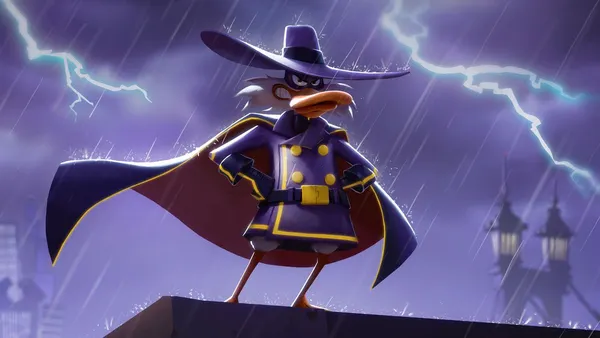
Do you want to build a copyrighted snowman? Walt Disney has struck a groundbreaking licensing deal with OpenAI, allowing Disney characters to appear in the video-generating platform Sora while the House of Mouse invests $1 billion in OpenAI.
The three-year deal includes more than 200 characters from across Walt Disney, Pixar, Marvel, and Star Wars; Mufasa to the Mandalorian, Buzz Lightyear to Black Panther. According to a statement announcing the deal, “The agreement does not include any talent likenesses or voices.” This means that while you might see Elsa building an icy Death Star, you definitely won’t hear voice actor Idina Menzel singing about how Princess Leia needs to let it go.
Then again, that might put Elsa in a compromised position. Part of the appeal for Disney is a greater level of control for how these characters are used. It’s not just about making sure Pocahontas doesn’t appear in any X-rated content, but that all of the uses align with Disney’s values. Darth Vader is on the list, and it’ll be interesting to see how much of the intergalactic genocide gets through the morality filters.
Disney characters can start appearing on Sora in early 2026, and as part of the licensing agreement, a selection of Sora videos could appear on Disney+ — think dialogue-free shorts showing Olaf’s hijinks 0r Woody’s Roundups. Because who wants to pay animators when Disney adults will make content for free?
Then again, who wants to pay animators at all? The deal also gives Disney access to OpenAI’s suite of products, “using its APIs to build new products, tools, and experiences, including for Disney+, and deploying ChatGPT for its employees.” Within a few years, Disney end credits might look a lot shorter.
Update: In response to these concerns, Disney CEO Bob Iger said, “We are not including name and likeness, nor are we including character voices. So in reality, this does not in any way represent a threat to the creators at all.” He added, “You can’t do anything about it. No human generation has ever stood in the way of technological advance, and we don’t intend to try … So we’ve always felt that if it’s going to happen, including disruption of our current business models, then we should get on board and figure out how we advantage our company and our shareholders, you know, by moving forward with a sense of optimism and being aggressive about it.”
But Wren, you might ask me, why is Disney giving OpenAI money? Isn’t the licensing value of Disney characters worth a lot more than $1 billion? Yes it is, and while we don’t know the exact wording of the agreement, there are probably two reasons for this odd structure.
First, the only thing crazier than OpenAI’s revenue is their capex spending; like a character in a J.G. Wentworth commercial, they need cash now. And second, I’d bet everything in my bank account against everything in Sam Altman’s that Disney just became one of the largest minority owners of OpenAI. Besides that, the deal also includes “warrants to purchase additional equity,” meaning Disney can increase its ownership stake in the future. If OpenAI’s ChatGPT loses the LLM wars to Google’s Gemini or Anthropic’s Claude, Disney is out $1 billion, but they can afford it. And if OpenAI holds its position as the No. 1 AI platform, this could tack a couple of zeros to the end of Disney’s yearly revenues.