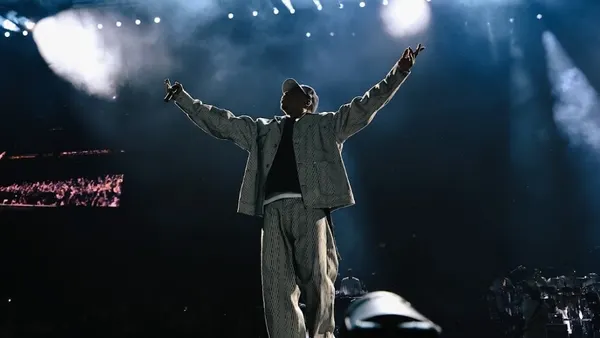
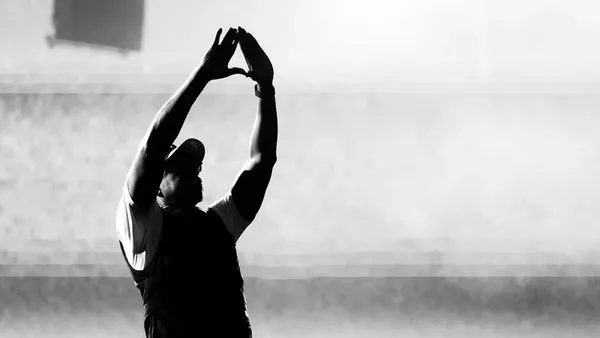
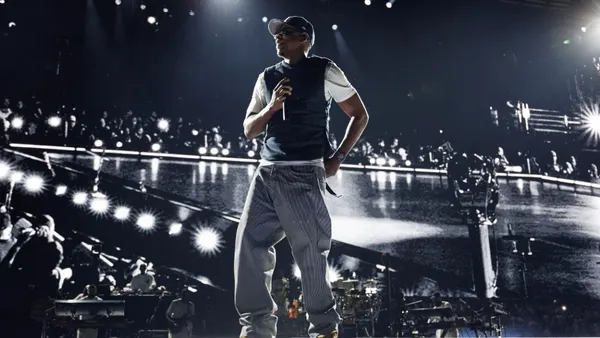
Rolling Loud’s first edition in India carried more weight than a standard festival announcement. Since the brand’s launch in Miami in 2015, Rolling Loud has become synonymous with global hip-hop culture: an institution that exports not just the biggest names in underground and mainstream rap, but the genre’s aesthetics, energy, and evolving identity. Bringing that ecosystem to India signaled the country is no longer adjacent to the global hip-hop conversation; it’s firmly part of it.
The festival arrived at a moment when desi hip-hop (DHH) is experiencing national and international growth. Punjabi music has charted worldwide, multilingual rap has found a large domestic and international audience, and independent artists are receiving label-backed investments and global collaborations. What was once a movement confined to niche circles now includes stadium tours, streaming dominance, and cultural recognition.
Against that backdrop, Rolling Loud India in Mumbai on November 22nd and 23rd felt like more than an event, and the lineup made that clear, featuring Karan Aujla, Divine, Hanumankind, Wiz Khalifa, Don Toliver, Central Cee, Swae Lee, Denzel Curry, Westside Gunn, and regional artists spanning multiple languages. It was bill that genuinely felt historic for the DHH scene.
The Year of Firsts
For a debut edition, Rolling Loud India delivered a string of firsts: several artists played their inaugural Rolling Loud sets, while international stars like Don Toliver, Central Cee, Westside Gunn, and Denzel Curry performed in India for the first time. Karan Aujla became the festival’s first headliner from the host country, and fans even heard unreleased music across both days.
Most importantly, this was the first time thousands of Indian fans got to experience Rolling Loud at all — and the excitement around that alone was massive.

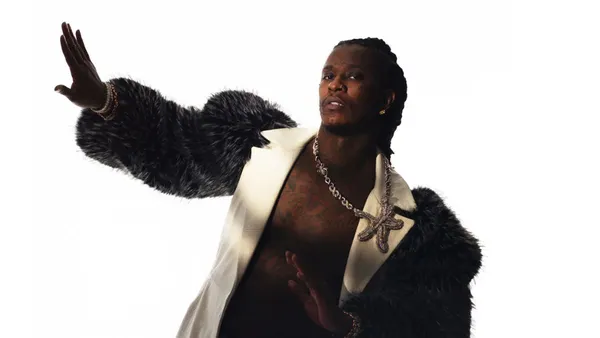
ROBB BANK$, photo via Fleck Media / Rolling Loud India
The Spirit of Hip-Hop
The festival leaned heavily into the culture. Loud Park brought together skaters, dancers, rappers, and hoopers in a way that made it feel like Rolling Loud wasn’t just imported — it was adapted to the city. Cyphers broke out anywhere there was space. Mumbai’s humidity was brutal, but the energy from artists and fans didn’t dip.
There was also a real sense of camaraderie on stage. Artists hopped on each other’s sets, added unrehearsed moments, and let the crowd in on their chemistry. Even smaller artists received big reactions. When Wild Wild Woman’s time got cut, the crowd demanded more. When Shreyas Sagvekar faced a technical issue, the audience backed him until it got fixed. And when the bigger names arrived, the volume genuinely hit stadium levels. The hype held from the first set to the last.
Drip on Point
Hip-hop is an entire lifestyle, and Mumbai clearly understood the assignment. Everywhere you looked were iced-out chains, top-tier sneakers, and fits that made it obvious India isn’t just listening to hip-hop — it’s living it.
Artists stood out too: Robb Bank$ pulled up in a white kurta, Central Cee rocked a Lord Shiva T-shirt paying respect to India, and Arivu showed up in an all-white suit looking like a Tamil mob boss straight out of a movie.
The merch game was strong as well. Rolling Loud leaned into Indian motifs: cricket-inspired designs, festival-specific drops, and even artist merch that fans were more than happy to flock to. It felt like a proper cultural mash-up.
Mumbai Knows How to Mosh
One thing Mumbai absolutely did not miss? The mosh pits.
Even at sets where you wouldn’t expect one, the crowd found a way to open up a pit. Two people vibing would turn into twenty. Robb Bank$’s set received unexpected mosh energy, and Don Toliver’s performance was basically one big chain reaction of pits back-to-back.
Every artist, big or small, witnessed the kind of crowd energy performers dream of.
Regional Artists Showed Up Strong
One of Rolling Loud India’s biggest highlights was the strength of its underground regional artists. With representation from every corner of the country, the crowd showed up for them with the same intensity they brought for the global stars.
Shreyas Sagvekar brought Marathi rap to the main stage with full pride, leaning into the wild, rhythmic energy that defines the scene and bringing out collaborators to match it. Even after a technical hiccup, he never lost momentum, shouting out his producer and DJ Vedang, welcoming fellow rappers Aksomaniac and The Seige, and closing with the raw Marathi banger “Jungle.”
Arivu, the Tamil artist, delivered one of the best sets of the entire festival. His energy was ridiculous, despite playing to a relatively small but incredibly loyal group of fans. His set kept rising like a dramatic Tamil movie: more energy, more chaos, more charisma and more dance moves than anyone else. The highlight came during his performance of “Raasaathi” with Rashmeet Kaur when he had a touching moment bringing his wife on stage.
Reble, from the Northeast, blended rock aesthetics with rapid-fire raps. Her set was short but electric, pure adrenaline. She opened up her performance with a shoutout to Notorious B.I.G , brought out Kim to perform their collab “Set It Off” and maintained high octane energy throughout her performance.
Yung Raja, the Tamil-born Singaporean rapper, came with Malaysian dancers and delivered banger after banger, the crowd went wild during “Aiyo.” “Nalla Neram ft. Prabh Deep” and “High Fashion.” He closed his set on a high note by teasing his upcoming collaboration with Swae Lee for the first time.

Young Raja, photo via Fleck Media / Rolling Loud India
The International Acts
The festival boasted no shortage of global names: Dababy, Swae Lee, Rich the Kid, Nav, Sheck Wes, alongside underground legends like Denzel Curry and Westside Gunn.
Dababy brought his trademark energy to India with bangers like “Suge” and “Bop.” while the chants of “Mo Bamba” echoed loudly during the performance of Sheck Wes. Rich the Kid delivered a festival highlight by bringing up a kid from the crowd to perform along with him during the performance of “Plug Walk.”
Swae Lee blurred genres, with his melodic prowess on tracks such as “Sunflower” and “Unforgettable,” and with “Black Bettles,” he dialed up the nostalgia by transporting the crowd back to the Mannequin Challenge era. On day two, Nav took the stage with his trademark hits like “Champions” and “Tap,” took a deeper turn with his OG hits like “Myself,” and created cross-cultural history by bringing Gurinder Gill on stage to perform “Brown Munde.”
Westside Gunn provided the much-needed Gresilda grimness. He showed up in his Ski mask and iced-out chains and leaned into lyrical emphasis, unconventional vocal cadence, and aesthetic commitment. He performed fan favorites “Mr T,” “Gustavo,” and “Kelly’s Korne.”
Denzel Curry delivered the most technically refined international performance. His breath control remained tight even during high-speed verses, and tracks like “Walking.” “Ricky,” and “Black Flag Freestyle” were executed with precision that matched studio production. His collaborative moments with Hanumankind elevated the set into one of the festival’s defining cultural exchanges.
The Indian Stalwarts
For DHH, Rolling Loud couldn’t have chosen two better closing acts for the Casa Bacardi stage with Hanumankind and Divine.
Hanumankind’s set was theatrical from the moment it began: he walked out to The Undertaker’s WWE theme, instantly signaling the crowd they were in for something different. Even while recovering from an injury, he performed like he’d been waiting years for this moment, going all out with backup dancers, a live band, and a tightly curated setlist. Between his “Bulls on Parade” cover, his collaborations with Denzel Curry, and a closing run of “Run It Up” and “Big Dawgs,” it was one of the festival’s most memorable performances.
Divine had announced a special performance centered on his upcoming album Walking on Water, but to the fans’ delight, he performed his classic hits too. He previewed three tracks from the new album and brought out Riar Saab, MC Altaf, and Sambata. Divine also took a moment to shout out Kr$na, Seedhe Maut, and Hanumankind, showing the community spirit that has pushed DHH forward.

Central Cee, photo via Fleck Media / Rolling Loud India
The Anticipated Headliners: Ranked
Every major festival relies on its headliners to carry the momentum, and Rolling Loud India brought some serious heavyweights. Here’s how I’d personally rank their performances:
4. Central Cee
Closing Day 1, Central Cee’s performance marked one of the most anticipated moments of the weekend. Central Cee’s strength lies in precision, swagger, and lyrical stoicism, which he delivered. His hits stood out, the crowd rapped word for word to “Which One,” “Sprinter,” “Doja,” and “GBP,” and the fireworks accompanied the high intensity closer “BAND4BAND.”
However, on a festival stage, especially one as culturally charged as Rolling Loud India, the understated swagger translated into emotional distance. Interaction with the audience was limited, and the setlist pacing felt linear, with few dynamic build-ups or deliberate pauses. The production was clean, the rapping was spot on, though the theatrics of a main event were missing. Central Cee’s presence undoubtedly held weight, and as a cultural moment, it was significant—but compared to the other headliners, the execution lacked the dramatic shifts and narrative arc needed to command a festival of this scale.
3. Wiz Khalifa
For a debut edition in India, booking someone with Wiz Khalifa’s legacy made perfect sense, as his set leaned fully into nostalgia, community energy, and celebration. His entrance sparked immediate recognition, especially among fans who came up on early-2010s mainstream hip-hop, and he kept the momentum rolling with “Roll Up” before diving into anthem after anthem: “Black and Yellow,” “We Dem Boyz,” “No Sleep,” and “Young, Wild & Free,” all turning the crowd into one giant singalong.
The closer, “See You Again,” landed as the emotional peak the festival needed, paired with a montage tribute to late hip-hop artists. The atmosphere shifted from celebratory to reverent, underscoring how deeply hip-hop has shaped people’s lives. While Wiz’s set didn’t chase big theatrical swings, its warmth, familiarity, and catalog strength carried it — a performance rooted in memory and legacy more than pure adrenaline.
2. Don Toliver
Don Toliver was late to take the stage, but the moment the first bass line from “Tore Up” hit, the energy in the venue shifted sharply. His set leaned on immersive production and the classic Jackboys energy, which was maintained by quick transitions. Toliver blended melody and rhythmic phrasing, demonstrating strong vocal stamina as he ran up and down the stage, busted a few dance moves, and climbed on top of the screen added for him on the stage.
Toliver brought the rockstar energy with tracks like “After Party,” “Lemonade,” “No Idea,” and “Can’t Say,” triggering wave after wave of crowd response, mosh pits opened almost on instinct, signaling that his catalog has deeply impacted the ragers in India.
Toliver’s stage presence felt deliberately constructed: controlled movement, structured pauses before drops, and repeated interaction that escalated rather than interrupted pacing. With a longer runtime or surprise features, it had the potential to top the list. Still, as a live experience, Don Toliver’s set delivered one of the most visceral reactions of the weekend.
1. Karan Aujla
Karan Aujla carried the heaviest expectation of the festival, as the first Indian artist to headline Rolling Loud in India. The moment held cultural weight; this was history in the making, and Aujla recognized that responsibility.
From the smoke-filled entrance to “On Top,” Aujla started on a picture-perfect journey. The setlist was carefully structured, classic hits tweaked for live performance with a band and newer tracks engineered for audience participation. His command over pacing was apparent: pop tracks “Softly,” “For A Reason,” and “Boyfriend” created controlled valleys before explosive returns with “52 Bars,” “Winning Speech,” and “At Peace.”
Producer Ikky joining on stage not just as a producer but also as the hype man, building the crowd’s momentum with his infectious energy. A surprise appearance from Nav turned out to be more than just a guest appearance but a track announcement, set to drop right after the performance.
Aujla’s live vocal presence was phenomenal, the crowd showed up in large numbers and he knew how to hold his ground in front of them. His announcement of an India tour mid-set added a sense of momentum, signaling that this performance wasn’t a singular cultural moment, but the beginning of a larger chapter.
Closing with “MF Gabru” felt intentional: celebratory, defiant, and rooted in the confidence that Punjabi music, and Indian hip-hop, is no longer emerging; it’s established. Karan Aujla didn’t just headline Rolling Loud India; he created history.
What This Means for DHH and Concerts in India
To understand why Rolling Loud India mattered, it helps to look at how long it took the country to get here. Hip-hop in India didn’t begin with viral reels, Spotify charts, or record deals. It started with breakdance crews practicing on building terraces, rappers recording verses on borrowed mics, cyphers happening in college campuses, and early uploads on SoundCloud and YouTube when there was no industry waiting on the other side.
The first wave was small but determined. Artists in Mumbai, Bengaluru, Chandigarh, and Delhi built their own spaces because none existed. Then came the moment the country paid attention, when the years of groundwork finally paid off. Gully Boy pushed the movement into mainstream visibility, streaming platforms opened distribution, and listeners stopped treating hip-hop as an imported genre. It became ours, our stories, our accent and our swagger.
So when Rolling Loud finally arrived in India, it didn’t introduce hip-hop to this audience. It confirmed what the years of hustle have built: a scene that knows its identity, a community that shows up, and an audience that doesn’t just watch it lives Hip-Hop. And now things change.
Rolling Loud’s involvement means international touring circuits will take India seriously. It means that global collabs will not be a one-off thing; it will be a constant. It means production standards will rise. It means indie and regional artists will finally have a stage to reach a broader audience.
Most importantly, it means Indian hip-hop is no longer emerging. It’s entered its next chapter, where the world doesn’t see DHH as building itself but building cultural influence in the world.
If this first edition was proof, the next one will be momentum.
And from here, it only grows.

Karan Aujla, photo via Fleck Media / Rolling Loud India